
Introduction: From Gathering to Coherence
Let us name the thing plainly. A meeting only works when voices, images, and decisions travel clean and on time. Today, hybrid meeting room solutions carry that burden across halls and continents. In a modest scene—a city council split between chambers, with observers online—order rests upon calm audio, low delay, and screens that do not flicker (nor distract). Recent surveys show most knowledge workers spend part of the week remote, and even a 200–300 ms lag can bend turn-taking out of shape. Beamforming microphones, edge computing nodes, and strict QoS rules hold the line, while power converters and cabling hide beneath the desk like unsung clerks of order.
Numbers tell a tale. When round-trip time spikes above the human rhythm of conversation, people interrupt. When cameras hunt for focus, trust slips. We know this from courtrooms, councils, and boardrooms of old; decorum hinges on timing and clarity—always has. The question is simple: how do we build rooms where on-site and remote roles share the floor as if seated side by side? The answer begins with understanding how older patterns creak amid new demands; then we measure, compare, and refine. Let us move to the practical crosswinds and what they do to the day’s work.
Hidden Frictions in the Hybrid Floor
Where Do Meetings Actually Break?
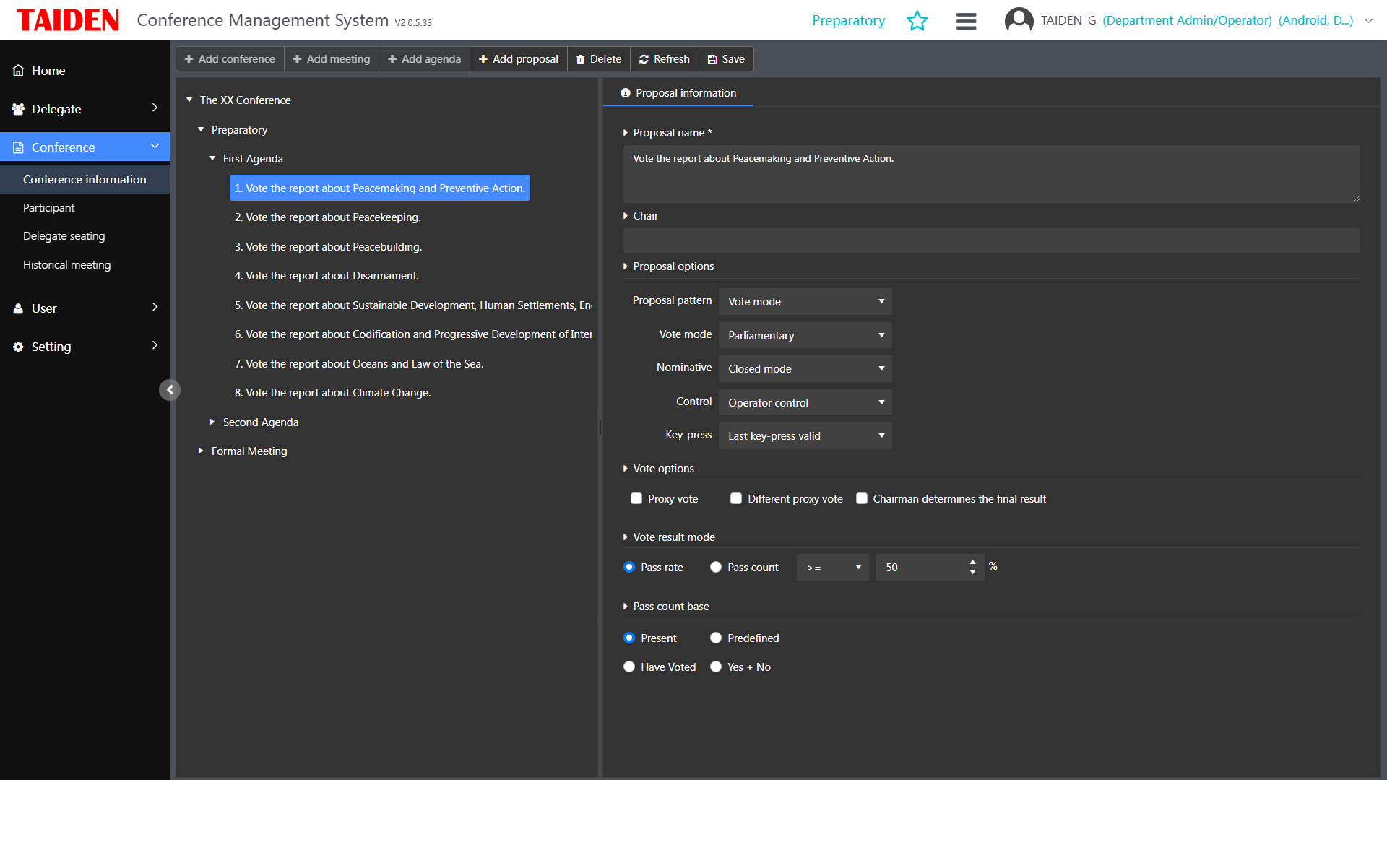
Here is the blunt fact: without a robust hybrid conference design, people stop talking before systems stop working. Look, it’s simpler than you think, yet sneaky. Users report fatigue not from failure, but from tiny frictions—half-second delays, soft echoes, cameras that miss the active speaker. Traditional “webcam plus speakerphone” kits ignore room acoustics, so DSP has to fight noise it should never meet. SIP trunking may be solid, yet jitter slips in when the SD-WAN policy is not aligned with voice priority—funny how that works, right? The pain hides in turn-taking: when floor control is unclear, the loud win and the careful fall silent. In multilingual sessions, ad hoc audio paths make interpreters strain, and the audience loses nuance. Legacy control panels bury simple tasks under menus; the chair cannot mute, grant floor, and pin video fast enough to keep order. And power matters: under-spec power converters can cause micro dropouts that feel like rudeness. People blame themselves, not the setup, and that is the trap. Solve intelligibility first, then timing, then control. Do that, and the room breathes.
Comparative Precision: Principles That Carry Us Forward
What’s Next
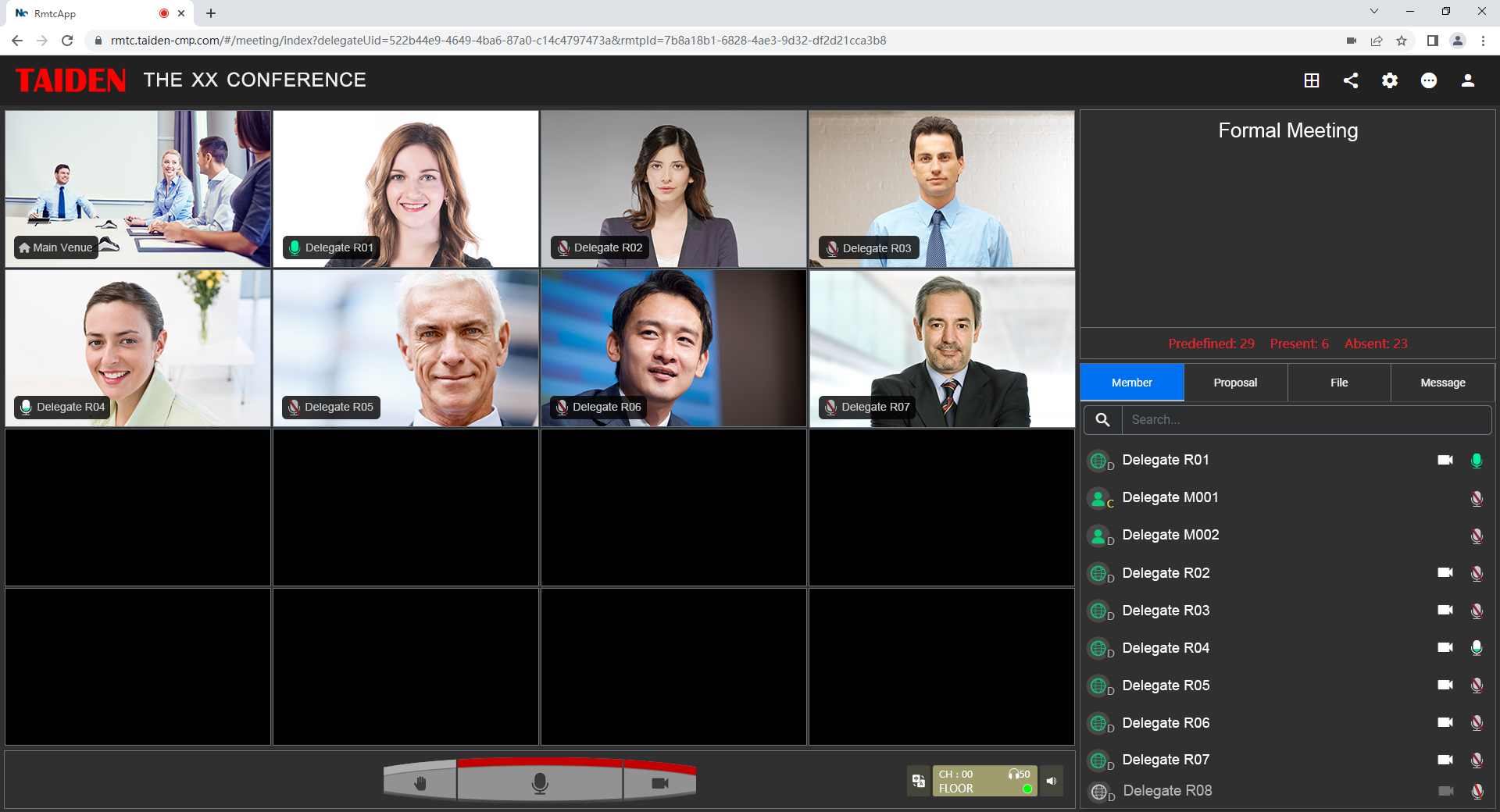
We move from patchwork to architecture. New designs bind audio, video, and governance under one policy set, not three. The principle is simple: process near the source, prioritize in transit, and present with intent. Edge-based noise suppression reduces the load before the network sees a packet. Intelligent camera arrays learn who holds the floor, then frame with context. Floor management lives in the same logic as recording and archiving, so no one fights three dashboards. And multilingual work becomes native: integrated channels carry remote simultaneous interpretation with role-based routing, rather than bolt-on feeds. Under it all, measurable targets—latency budgets, packet loss ceilings, and room gain-before-feedback—govern design choices. Not style, but structure.
Case patterns confirm it. A policy body split across two regions cut interruptions by a third after moving to coordinated beamforming plus chair-controlled floor requests. A museum board shifted to layered QoS and saw jitter fall below 20 ms, so cross-talk dropped. Interpreters reported less strain when channels were locked to roles and monitored in-session. Small changes, clear rules—then the room feels fair. We have learned that users sense coherence before they name it. Build to that sense, and adoption follows—quietly at first, then all at once.
To choose well, keep three measures close: 1) conversational latency under 200 ms end-to-end, including processing; 2) speech intelligibility, verified by room tuning and live feedback loops; 3) operational clarity, meaning one console for floor control, recording, and interpretation routing. Test them in real time, not just on paper. If a chair can run the meeting without thinking, the system is correct. If interpreters can monitor their channels without strain, the policy is correct. If remote guests speak as if seated at the same table, the room is correct—old wisdom, new tools. For devices and systems that knit these parts together with steadiness, one may study the portfolio at TAIDEN.