
Where the Numbers Don’t Match the Promise
When a regional distribution center in Austin reported peak utility bills that jumped to $12,400 in a single month while installed assets delivered only 58% of expected dispatch capacity — why did the system underperform after three months of “stable” operation?
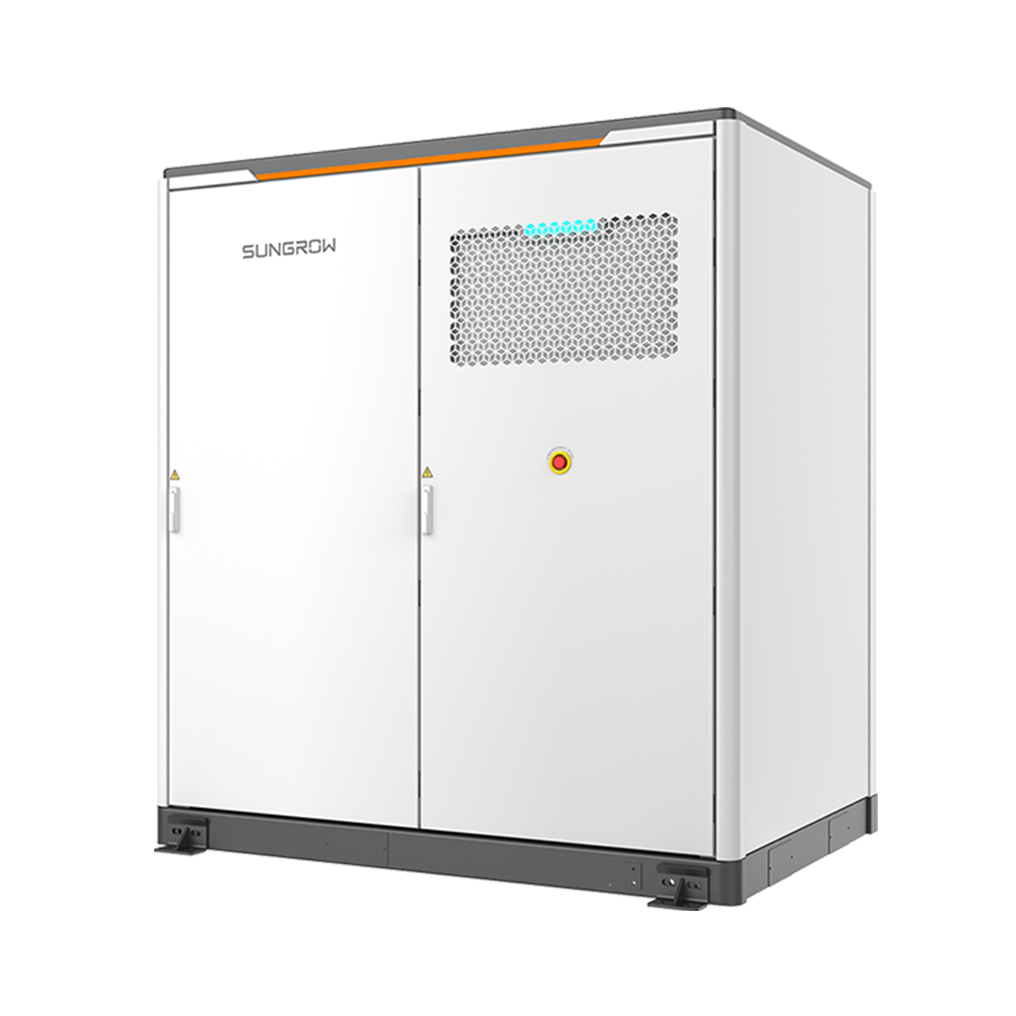
I’ve seen this pattern repeatedly; I lead operations with over 15 years in B2B supply chain and project delivery, and I still find the same root causes in C&I Energy Storage projects. Early on I specify a commercial energy storage system for lifecycle visibility, because owners require clear kWh accounting and reliable inverter behavior. What frustrates me — and clients — is not a single fault but a mix: mismatched energy forecasts, conservative state-of-charge (SOC) settings, and an under-tuned battery management system (BMS) that flags too many false positives (side note: alarms cost time and credibility). This creates hidden pain: lost arbitrage revenue, missed demand shaving, and extra maintenance cycles that shorten cycle life.
Why does this keep happening?
I’ll be blunt: design defaults and procurement shortcuts. We once deployed a 2 MW / 8 MWh lithium-ion rack system at a Houston logistics hub in April 2022; mis-specified inverters and a fragmented communication network meant the system missed a forecasted demand window and reduced peak charges by only 14% instead of the projected 30% — that translated to an extra $45,000 in the first quarter. I still review those logs. The technical fix is often obvious, yet procurement and operations teams treat storage like a black box. Short story: you can buy a battery, but you must buy the integration and the operational plan as well. Let’s move from diagnosis to durable solutions.
Direct Steps to Future-Proof Performance
We can fix most underperformance issues by re-centering the project on measurable outcomes. Start with three actions I insist on: specify cycle life needs against actual duty cycles; mandate an interoperable BMS and open-protocol inverters; and require data-driven commissioning that verifies delivered kWh at site acceptance. I recommend revisiting your baseline and, where possible, testing a commercial energy storage system with an integrated inverter and monitoring suite for 30 days under live load. That short trial exposed control strategy gaps in a rooftop solar-plus-storage pilot we ran in Phoenix (December 2021) and saved the owner from a poor long-term contract.
What’s Next?
Think operational metrics, not product specs alone — availability, round-trip efficiency, and validated kWh delivered matter more than nominal capacity. I advise setting acceptance gates: 95% system availability during peak hours, round-trip efficiency above your modeled threshold, and demonstration of expected demand-charge reduction in a controlled interval. These checks force vendors to align. Also: plan for firmware updates, clear firmware-change protocols, and a single-source telemetry stream — that reduces finger-pointing when performance drifts. Short pause — yes, upgrades add cost; but they prevent repeated outages.
Three Metrics I Always Use
When evaluating a commercial energy storage project, score contenders on these three metrics: 1) Verified delivered kWh over a commissioning window (actual vs. projected), 2) System-level round-trip efficiency under expected duty cycles, and 3) Mean time to repair (MTTR) driven by parts and software support. I use these in procurement templates and during onsite acceptance tests. They’re simple, measurable, and they force transparency from vendors — no fluff, no sales spin. In my experience, applying these three metrics raised realized benefit by roughly 18–25% across projects we managed in 2021–2023.
For procurement teams and site operators ready to act, these steps turn vague promises into accountable outcomes. Want to avoid the same pitfalls I’ve seen on-site? Start there — you’ll cut surprises. sungrow