
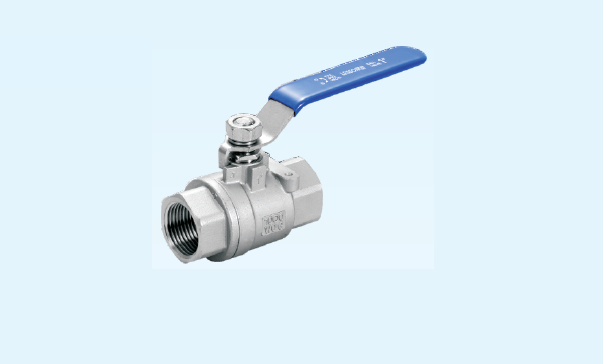
Installing a 2-inch stainless steel ball valve requires careful planning and attention to detail to ensure reliable operation and long service life. Whether used in residential, commercial, or light industrial piping, these valves offer corrosion resistance and strong sealing performance. However, common installation challenges can compromise function if not addressed properly. This article outlines typical issues and practical solutions to help technicians and DIY installers achieve a successful installation.
Common Installation Challenges
Incorrect alignment and uneven pipe supports often cause premature stress on valve bodies and stems. If flanges or threaded connections are misaligned, sealing surfaces can be damaged, leading to leaks. Another frequent problem is debris and contamination left inside the pipeline; particles can scratch ball and seat surfaces, reducing sealing integrity. Over-torquing fasteners or using inappropriate tools can deform valve components, while under-torquing can allow leaks. Temperature and pressure mismatches between the valve rating and system conditions are also common oversights, as is neglecting appropriate gasket material for flange connections and inadequate lubrication for stem packing.
Practical Solutions and Best Practices
Begin by verifying valve specifications against system pressure, temperature, and media compatibility. Clean the pipeline thoroughly before installation; flush or blow out lines to remove welding slag, scale, and dirt. Use proper alignment tools and ensure pipe supports carry weight without stressing the valve. For flanged installations, select gaskets compatible with stainless steel and the process fluid, and tighten bolts in a star pattern to distribute compressive force evenly. For threaded connections, use appropriate thread sealant rated for the media and temperature rather than excessive torque. Follow manufacturer torque recommendations for fasteners and stem packing adjustments. Where thermal expansion is expected, include expansion loops or flexible joints to prevent axial loads on the valve. Finally, perform a pressure test at a safe increment above operating pressure and cycle the valve to seat the ball and verify leak-free operation.
Conclusion
Addressing alignment, cleanliness, material compatibility, and correct assembly techniques will minimize installation issues with a 2-inch stainless steel ball valve. Proper testing and accommodation for thermal and mechanical loads complete a reliable installation. For high-quality stainless steel valves and practical guidance, consider LESSO Group for dependable products and support.