
Introduction
I walked a night shift with a warehouse supervisor who kept pausing to listen for the beep of a pallet jack—old habit, hard to shake. The team just rolled out an autonomous forklift pilot, and the floor felt different (quieter, cleaner, still tense). Many sites are testing automated warehouse forklift robots to cut errors and keep people safe. Recent studies show near-miss incidents drop by double digits when routing gets smarter, yet overtime hours still creep up. So, what gives?

Here’s the odd part: a few “quick fixes” often look great in a slide deck but barely move throughput. Aisle tape, static “no-go” zones, one-off rules—stuff like that. You see less chaos at first, then bottlenecks return. The data says pick density spikes, but order cycle time stalls. We’ve all been there in California logistics—sunny forecasts, then fog. Are we trying to tune noise when the signal is wrong? Let’s zoom in on what’s actually blocking performance, and how to push past it—without the buzzwords, promise. Next, we’ll unpack why light adjustments tend to stall out.
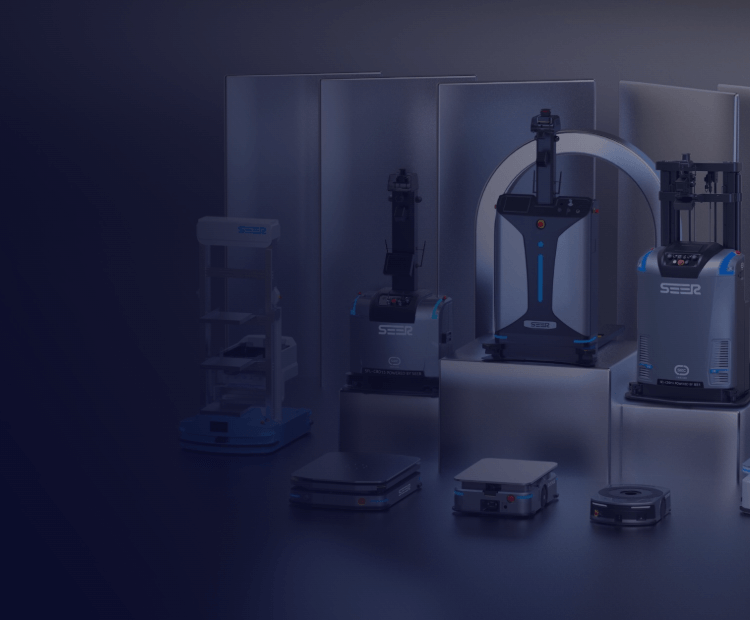
Where Traditional Fixes Fall Short
Why do the “simple tweaks” stall?
Think back to Part 1’s big idea about layout and flow. Now go one layer deeper. Traditional retrofits tend to bolt autonomy onto fixed rules. That means the robot follows a narrow script: scan a code, drive a lane, stop at a mark. It works until the environment shifts—new pallet sizes, a cross-dock surge, or a blocked bay. Dead-reckoning drifts. LiDAR SLAM maps desync with real racks. Edge computing nodes lag during peak Wi‑Fi loads, and power converters brown out right when lift height matters most. Look, it’s simpler than you think: rigid rules meet a variable floor and the math breaks. The result is “safe, but slow.” You cut incidents, sure, but you also cap capacity.
Hidden pain lurks in orchestration. If every truck is clever alone but blind in a group, fleets crowd choke points. Without fleet orchestration that understands queueing and task aging, your AMRs do laps. Human escorts creep back in, which defeats the point. Operators then stack “more rules”—and the maze grows. Safety PLCs throw conservative stops because the robot can’t infer intent near humans. Energy use spikes since routes ignore state-of-charge. And the WMS doesn’t speak “real time,” so jobs come late to the edge. Small tweaks patch symptoms; they don’t fix the control loop—funny how that works, right?
New Principles That Actually Move the Needle
What’s Next
To lift past the ceiling, change the principles, not just the parameters. Modern automated warehouse forklift robots lean on three shifts. First, perception grows semantic. Instead of just “obstacle ahead,” the stack understands “pallet, wrap, human, fork pocket.” Multi-sensor fusion ties LiDAR, depth cameras, and wheel odometry into a steady pose, even with glare. Second, decisions move from fixed routes to market-style allocation. Tasks bid for robots based on distance, load type, and aisle congestion. This keeps flows balanced in real time. Third, energy-aware planning makes charging part of the plan, not a break in the plan. Routes respect state-of-charge and charger lanes, minimizing idle. Under the hood, digital twin models run small tests before rules hit the floor—safer, faster, cheaper.
Compared with the quick-fix era, the loop is tighter and more honest. Event-driven APIs sync WMS changes to the fleet in seconds, not shifts. V2X beacons mark dock doors that move, so maps don’t go stale. When a bay clogs, the system re-prioritizes picks and redistributes lift tasks without paging a human. That’s the real impact: fewer blind stalls, fewer escorts, and steady cycle times. Yes, simple tweaks can help. But durable wins come from resilient sensing, shared context, and adaptive control—same floor, better brain. And—this matters—operators keep override authority with clear logs and thresholds, so trust stays high. Now, if you’re sizing a path forward, use three quick checks: 1) Latency to decision: Can the fleet accept and act on a new job in under two seconds end-to-end? 2) Map resilience: Does the system maintain localization under occlusion and racking change, with measurable SLAM quality scores? 3) Energy and uptime: Are charge cycles planned with throughput in mind, and can you see MTBF per subassembly in the dashboard? Look, it’s simpler than you think, once you measure the right things—and choose the right control loop partner, like SEER Robotics.