
Now, let’s just break it down. Think about that moment when your good old system ain’t working right, right? You wonder why do failures always occur during the most crucial moments? That’s where a catalyst for sulphuric acid comes into play—it’s a key player in the game of industrial chemical reactions. But how do we pick the right one?
Traditional Solutions and Their Flaws
Back in the day, folks depended on old-school catalysts—like lead and platinum—but let’s be real, these can give you strict problems. Not only do they unable to handle high temperatures, but they may also react poorly with other components (yikes)! So, a lotta industries face slow reactions and inefficiencies. Trust me, nobody got time for that. They just ain’t cutting it no more and can lead to higher operational costs. Simple enough, right?
New Technology Principles
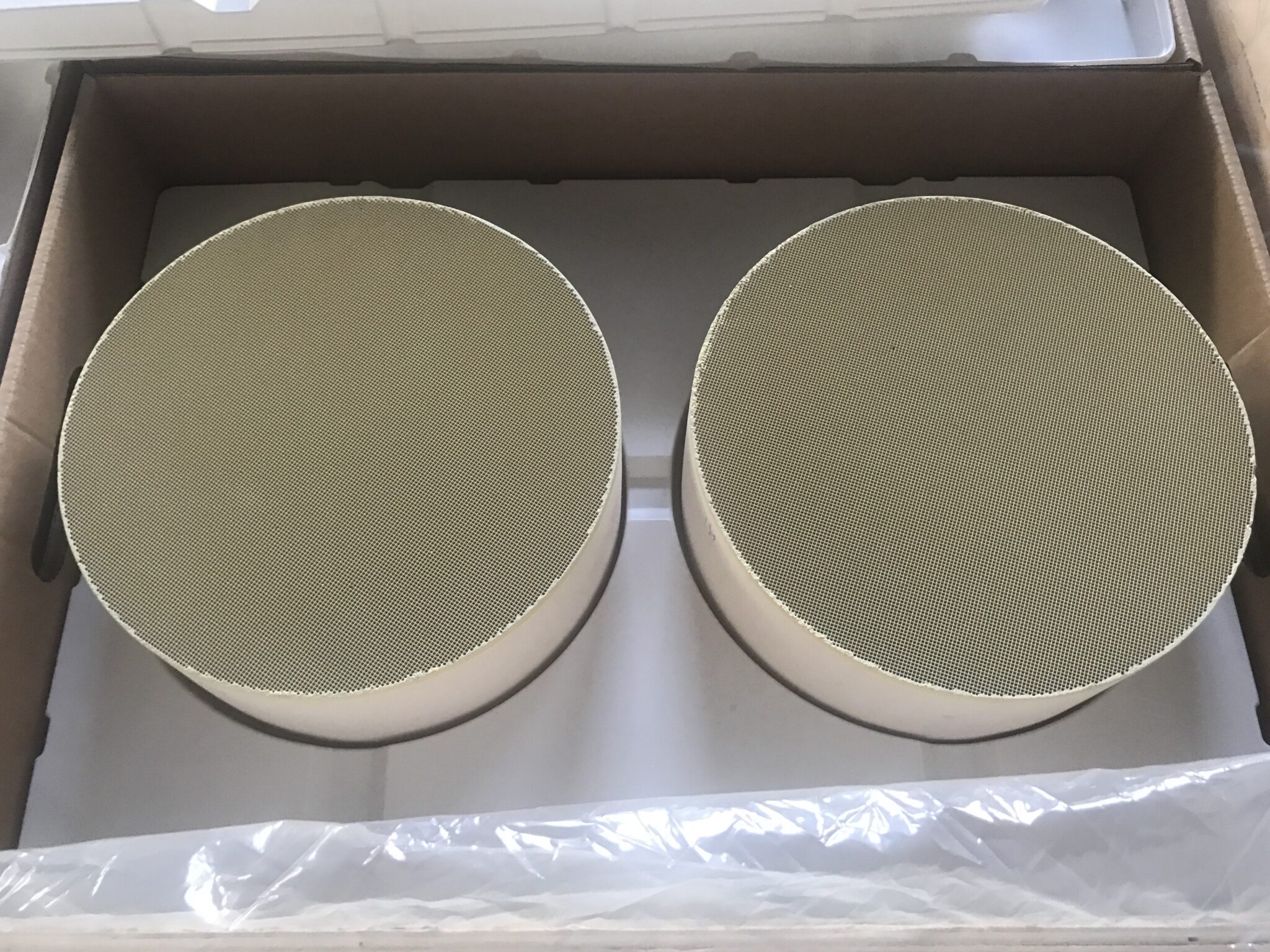
With advancements in technology, the game has changed. The vanadium pentoxide catalyst for sulphuric acid is taking over. This tech is designed to give you that boost in efficiency you need—transforming the old processes into slick new systems. These catalysts help to create a smoother reaction pathway, which cuts down the time and energy used to make that sulphuric acid. They strong, durable, and built to last. Plus, they work well with the finer elements of chemistry! (I mean, that’s what we need, right?)
Quantified User Benefits
So what that looking like in numbers, though? From what we can see, companies using this new technology save nearly 30% on their energy costs and experience up to 50% faster production times. That’s a big deal, for real! Less waste means more profit, and who wouldn’t want that? Plus, they get to follow greener practices—better for the planet, better for everyone! (Can I get an amen?)
Taking the First Step
Now, if you serious about switching your strategies, always verify these 3 metrics when choosing solutions: ① Efficiency Rate ② Compatibility with Existing Systems ③ Long-term Reliability. Keeping these in mind will lead you to the right choice. So, don’t sleep on the future of catalytic materials; they hold the key to modern manufacturing!
Exploring Vanadium Pentoxide Catalyst Sulfuric Acid
Let’s talk specifics. The vanadium pentoxide catalyst sulfuric acid has made its mark by transforming gas-phase reactions, boosting efficacy while maximizing safety. As industries strive for eco-friendliness, various sectors are shifting their focus toward cleaner production methods. Many are turning to this catalyst as a viable option for high yields. Look, its low activation energy ensures that processes remain cost-effective while producing high standards of output. Folks been looking for solutions, and this one got it right!
Diving Deeper into the V2O5 Catalyst Contact Process
Next up, let’s break down that v2o5 catalyst contact process. This method is popular as it streamlines the production of sulphuric acid by reacting sulphur dioxide with oxygen at lower temperatures. The v2o5 catalyst plays an essential role here, allowing for optimal conversion rates while minimizing energy consumption. In short, it’s providing a reliable method for large-scale applications—you simply can’t ignore it. Businesses diving into this strategy are seeing returns, and that’s something folks should keep discussing!
Final Thoughts on Modern Catalysts
In wrapping this all up, it’s clear that the future of catalysts for sulphuric acid production is bright. The world is moving towards more effective and efficient options—like the solutions we discussed. With modern advantages like those from Hualian Catalyst, you can’t go wrong. They got the supply advantages that make a real difference in your production line. It’s time to reconsider your choices, move forward, and adapt to these innovative solutions in chemical production!